Avoid common packing mistakes during Camberwell removals
Posted on 18/06/2026
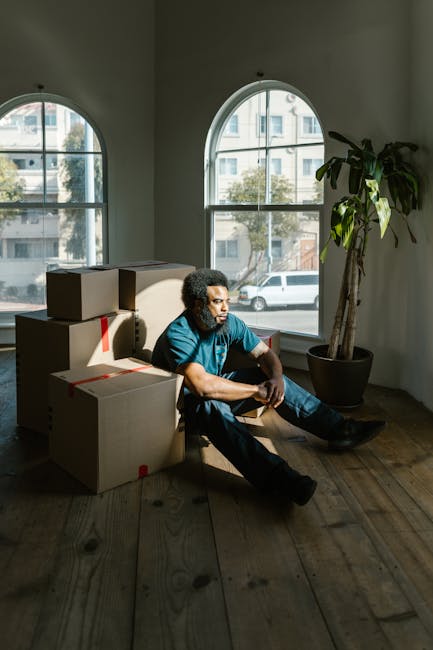
Packing looks simple right up until the first box splits, the kettle goes missing, or a perfectly good lamp arrives with a cracked shade. During Camberwell removals, small packing errors can snowball fast: delays, damaged items, awkward loading, and that nagging feeling that you should have started earlier. The good news? Most packing problems are avoidable with a bit of structure and a few sensible habits. This guide walks you through the common mistakes people make, how to sidestep them, and what a smoother moving day actually looks like in practice.
Whether you are moving from a flat near Denmark Hill, a family home off the main roads, or a compact studio with more belongings than floor space, the same packing principles apply. The difference is in the detail. Camberwell streets, shared entrances, stairwells, and limited loading space can all make poor packing much more costly than it needs to be. Let's make it easier.
Why Avoid common packing mistakes during Camberwell removals Matters
Packing is not just a pre-move chore. It is the point where the whole removal either starts to come together or begins to unravel. If boxes are overloaded, labels are vague, or fragile items are bundled together without enough protection, the move becomes slower and riskier. In a busy local move, that can mean more handling, more lifting, and more chances for something to go wrong.
Camberwell adds its own practical layer. Many homes have narrow staircases, older layouts, or shared access points. A box that is too heavy for one person may be awkward for two, especially on stairs or around corners. And if the van needs to be loaded efficiently, weak packaging can create a chain reaction: slower loading, more re-stacking, more stress. To be fair, nobody wants to spend move day listening to the sound of crockery clinking in a box that should have been packed better.
There is also a financial side. Bad packing can lead to breakages, insurance headaches, extra materials, or storage of items that were not ready in time. If you are comparing professional help, it is worth understanding the wider service context too, including packing and boxes in Camberwell and the range of removal services available for different move sizes.
Expert summary: The best packing is not the prettiest packing. It is the packing that keeps items safe, stays manageable on moving day, and makes loading feel calm rather than chaotic.
How Avoid common packing mistakes during Camberwell removals Works
Good packing is really a sequence of decisions. You choose the right materials, pack by category, protect vulnerable items, and make each box easy to carry and easy to identify. It sounds obvious, but the order matters. A sensible packing process usually follows this pattern:
- Sort first. Decide what is moving, what is being donated, what is rubbish, and what should go into storage.
- Choose the right boxes. Use smaller boxes for heavy items and larger boxes for lighter, bulkier belongings.
- Protect the contents. Wrap fragile pieces individually and fill empty spaces so items do not shift.
- Pack room by room. This keeps things logical and makes unpacking much easier later.
- Label clearly. Mark each box with the destination room and a short note about contents or fragility.
- Keep essentials separate. Put documents, chargers, medicines, snacks, and a change of clothes into a personal bag or first-night box.
That last point is the one people forget most often. You do not want to be hunting for a toothbrush at 11 p.m. while standing in a hallway full of mystery boxes. Been there, seen that, never ideal.
If you are arranging timed arrival or a same-day plan, packing readiness matters even more. A move that is already tight for time gives you less room for improvisation, which is why pages like delivery at the best time for you and same-day removals are relevant to the overall planning picture.
Key Benefits and Practical Advantages
When packing is done properly, the benefits show up in several places at once. You save time, reduce breakage, and make the whole move feel less like a scramble. That may sound tidy on paper, but in real life it is the difference between a confident start and a slightly panicked one.
- Faster loading and unloading: well-packed boxes stack neatly and are easier to handle.
- Lower risk of damage: fewer loose items, fewer crushed corners, fewer cracked glasses.
- Less physical strain: correctly sized boxes are safer to carry.
- Better room organisation: labelled boxes mean less searching once you arrive.
- Less chance of forgotten essentials: a clear packing system keeps daily-use items visible.
There is also a mental benefit. Moves are noisy, busy, and slightly chaotic even on a good day. If your packing is organised, you feel more in control. That matters. A calm move tends to be a safer move.
For many households, the practical advantage is also about choosing the right level of help. Some people want a full packing service, others only want help with furniture or awkward items. Services like man with van Camberwell, furniture removals, and house removals can suit different packing styles and move sizes.
Who This Is For and When It Makes Sense
This advice is useful for almost anyone moving home or business premises in Camberwell, but it is especially helpful if you are short on time, short on space, or moving anything breakable. Students moving between flats, families with mixed household contents, and office teams relocating equipment all run into the same packing traps, just in different forms.
You will especially benefit from a stronger packing plan if you are:
- moving from a flat with stairs, shared access, or limited lift use
- trying to pack around work, childcare, or study commitments
- moving fragile items like glassware, artwork, monitors, or kitchenware
- combining a move with storage or staged relocation
- using a tight collection window and need boxes ready to go
Students often underestimate how quickly books, chargers, small appliances, and toiletries add up. Home movers often underestimate how many odd-shaped items they own. Office movers usually underestimate cable chaos. Truth be told, cables are the tiny villains of most moves.
If your situation is more specialised, it can help to look at dedicated support such as student removals in Camberwell, flat removals, office removals, or storage if you need a staging point between homes.
Step-by-Step Guidance
Here is a practical packing process that works well for most local moves. It is not glamorous, but it is dependable.
1. Start earlier than you think
Begin with non-essentials: books, out-of-season clothing, decorative items, spare bedding, and rarely used kitchenware. If you leave everything until the night before, the packing gets rushed and the boxes get sloppy. That is usually where mistakes begin.
2. Declutter before you box up
Do not pay to move things you no longer need. Old electronics, duplicate kitchen utensils, worn bedding, and mystery storage items can often be cleared out first. If an item is broken, missing parts, or simply not worth the effort, let it go now.
For a greener move, it is also sensible to think about recycling and sustainability so you are not treating every unwanted item like general waste.
3. Match box size to item weight
This is one of the most overlooked packing rules. Heavy items belong in small boxes. Light, bulky items can go in larger ones. A big box full of books might look efficient, but the minute someone lifts it, the problems start. Small boxes are easier on backs, stairs, and hands.
4. Wrap fragile items individually
Glass, ceramics, lamps, framed pictures, and kitchen items need individual protection. Use paper, bubble wrap, towels, or soft clothing where appropriate. Fill gaps so nothing rattles. If the contents move inside the box, the packing is not finished.
5. Keep similar items together
Mixing random objects into one box makes unpacking miserable. Keep books together, kitchen items together, bathroom items together, and tools together. This is also where room labels become useful. Put the destination room on the top and one side of the box so it can be seen from different angles.
6. Prepare a first-night box
Your first-night box should contain the basics you will want immediately: kettle, tea or coffee, mugs, toilet roll, phone charger, toiletries, simple tools, and a few snacks. Add medications and important documents separately if needed. This one box can save a surprising amount of stress.
7. Seal and stack with care
Use strong tape, close box flaps properly, and avoid leaving soft lids half-tucked. Stack heavier boxes at the bottom and lighter ones above. If a box feels weak, re-pack it. Better now than during transit.
If you need a move organised around a tight schedule, it is worth comparing practical support and timing options alongside services like man and van, man and a van Camberwell, or removal van Camberwell.
Expert Tips for Better Results
A few small habits make a big difference. In our experience, the best moves are not always the biggest or the most expensive. They are the ones where the packing has been thought through properly.
- Use a marker on two sides of every box. One label is easy to miss when boxes are stacked.
- Pack a "do not load" section. Keep passports, keys, wallets, and daily-use items in a separate bag you carry yourself.
- Photograph cable setups before unplugging. It saves time later, especially for desks and entertainment units.
- Disassemble only what truly needs disassembly. Sometimes people take apart furniture that would have been safer left intact.
- Keep cleaning supplies accessible. A cloth, bin bags, and basic spray can be surprisingly helpful on the day.
- Balance the box. Heavy items on the bottom, light items on top. Simple, but it works.
One more thing: do a quick shake test on sealed boxes. Not aggressively, just enough to see whether something is loose inside. If you hear movement, add filling material or repack the box. Tiny rattle, big headache later.
For especially delicate items, extra guidance can be worth having. That is why pages such as piano removals in Camberwell and how to move a piano in Camberwell matter for specialist planning, even if your own move is mostly standard household contents.

Common Mistakes to Avoid
Here is where most packing problems start. The list is familiar, but that does not make it less useful.
Overfilling boxes
Yes, it saves space. No, it is not worth it. Overfilled boxes are harder to carry, easier to tear, and more likely to damage their contents. If you have to force the lid shut, the box is probably too full.
Using too many large boxes
Large boxes are tempting because they look efficient. But fill them with the wrong items and they become awkward, unsafe, and hard to stack. Use large boxes for light items, not for your entire library.
Packing fragile and heavy items together
Mixing plates with cast-iron pans or glassware with tools is asking for trouble. Keep fragile items separated and cushioned properly.
Leaving empty space inside boxes
If there is too much movement, contents can collide and break. Empty space should be filled, not ignored.
Writing vague labels
"Stuff" and "misc" are not very helpful when you arrive tired, hungry, and trying to find the kettle. Be specific enough that future-you can actually use the label.
Forgetting the layout of the new place
If you know a room is small or oddly shaped, do not overpack boxes for that room. You want boxes that can be placed where they belong without blocking hallways.
Ignoring local access realities
Camberwell moves sometimes involve shared entrances, parking limitations, or tight loading access. Packing badly means more trips between the property and the vehicle, which quickly gets tiring. Pages like Denmark Hill station loading rules for Camberwell removals are helpful reminders that local logistics do matter.

Leaving packing to the last minute
This is the big one. Last-minute packing creates stress, and stress creates mistakes. It is that simple. Start earlier, and the entire move gets easier.
Tools, Resources and Recommendations
You do not need fancy equipment, but the right basics make packing much smoother. The list below covers the essentials most people actually use.
| Item | Why it helps | Best use |
|---|---|---|
| Small and medium boxes | Safer for heavy or mixed items | Books, kitchenware, toiletries, tools |
| Packing paper | Wraps and cushions breakables | Glasses, plates, ornaments |
| Strong tape | Prevents box failure | Sealing and reinforcing boxes |
| Marker pens | Clear labels improve unloading | Room names, contents, fragility notes |
| Blankets or soft linen | Useful for padding larger items | Lamps, picture frames, furniture edges |
| Plastic bags | Keeps small parts together | Screws, cables, remote controls |
It also helps to know which type of removal support suits your move. If you are comparing options, start with the basics and look at the actual scale of your load. A modest flat move may suit a smaller vehicle and lighter service. A larger household may need more structured removal help. For that reason, pages such as removals, removal companies, and removal services can be useful starting points.
For business moves, packing needs to be even more disciplined. Labels, inventory, and secure handling become much more important. If that is your situation, it is worth reviewing Camberwell office removals and the Southwark business moving checklist before the move starts.
Law, Compliance, Standards, or Best Practice
For most home moves, the main "rules" are practical rather than legal. Still, best practice matters. Items should be packed safely, carried responsibly, and arranged in a way that reduces risk to people and property. That includes not overloading boxes, not leaving sharp items unsecured, and not blocking escape routes while packing at home.
If you are moving in a building with shared access, do be considerate. Keep communal areas clear, avoid leaving boxes in hallways, and make sure items are not placed where they could trip someone up. In flats and managed buildings, that is both common sense and courtesy. Some buildings may also have their own move-in or move-out expectations, so it is worth checking before the day arrives.
Where specialist items are involved, best practice becomes even more important. Pianos, heavy furniture, and large fragile items need proper handling, suitable packing, and realistic lifting plans. The same applies to anything valuable or awkwardly shaped. If you are unsure, ask for guidance early rather than hoping for the best. Hope is not a packing method, unfortunately.
Professional movers also tend to work under internal safety processes and service terms that set expectations for handling, access, and damage prevention. If you are comparing providers, it can help to review pages such as insurance and safety, health and safety policy, and terms and conditions so you understand what good practice looks like before moving day.
Options, Methods, or Comparison Table
Different packing approaches suit different moves. Here is a simple comparison to help you decide what makes sense.
| Method | Best for | Pros | Watch out for |
|---|---|---|---|
| DIY packing | Smaller moves, budget-conscious movers | Flexible, lower upfront cost | Easy to underestimate time and materials |
| Partial packing help | Mixed moves or busy households | Good balance of cost and support | Needs clear planning on what you will pack yourself |
| Full packing service | Large homes, fragile items, time pressure | Fast, organised, less physical effort | Costs more, so scope should be clear |
| Self-pack with specialist help for heavy items | Pianos, furniture, awkward items | Focused support where it matters most | Needs good timing and access planning |
There is no single right answer. A student move with a few boxes has different needs from a family house move with furniture, kitchen equipment, and sentimental clutter that somehow multiplies in cupboards. The right method is the one that keeps the move safe and realistic. Not perfect. Realistic.
Case Study or Real-World Example
A local move we can describe in general terms went like this: a couple moved from a first-floor flat in Camberwell into a nearby house. They had packed most of their belongings into large boxes, mainly because they wanted to finish quickly. On paper it looked efficient. In practice, the book boxes were too heavy, the kitchen items were mixed together, and the labels were inconsistent.
The result was predictable. Loading took longer than expected. Two boxes had to be reopened because they were packed too tightly to lift safely. The kettle, which everyone assumed would be obvious, ended up in a box labelled "misc." The move still happened, of course, but it was slower and more tiring than it needed to be.
On the next move, they changed their approach. They used smaller boxes for heavy items, kept fragile kitchenware separate, prepared a first-night box, and labelled everything by room. The move felt calmer. Fewer pauses, fewer questions, less "where did we put that?" energy. Small change, big difference.
This is the part people usually discover only after one rough move. Then it clicks.
Practical Checklist
Use this before your Camberwell move starts.
- Sort items into keep, donate, recycle, and pack piles.
- Collect boxes in different sizes, tape, paper, and markers.
- Pack heavy items in small boxes.
- Wrap fragile items individually.
- Fill empty spaces so contents do not shift.
- Label every box clearly on at least two sides.
- Pack room by room where possible.
- Set aside a first-night box and personal essentials.
- Keep documents, keys, and valuables separate.
- Check access, parking, and loading arrangements in advance.
- Leave hallways and shared areas clear.
- Confirm the arrival time and make sure everything is ready to go.
If your move involves a tight schedule or unusual access, it may also be worth looking at same-day man and van Camberwell availability and pricing or the broader pricing and quotes information so expectations are clear before the day arrives.
Conclusion
Avoiding common packing mistakes during Camberwell removals is less about perfection and more about staying organised, realistic, and a little bit ruthless about what really needs to be moved. Use the right box sizes, protect fragile items properly, label clearly, and keep your essentials within reach. The more thought you put in now, the less stress you carry on moving day.
If you remember one thing, make it this: packing is part of the move, not a separate task floating in the background. Done well, it protects your belongings and keeps the whole day moving smoothly. Done badly, it steals time you do not have.
Get a free quote today and see how much you can save.
If you are planning a move in Camberwell and want practical guidance that fits your actual situation, explore the service options that match your needs and plan the packing around them. A little structure now can save a great deal of fuss later, and that is usually worth it.