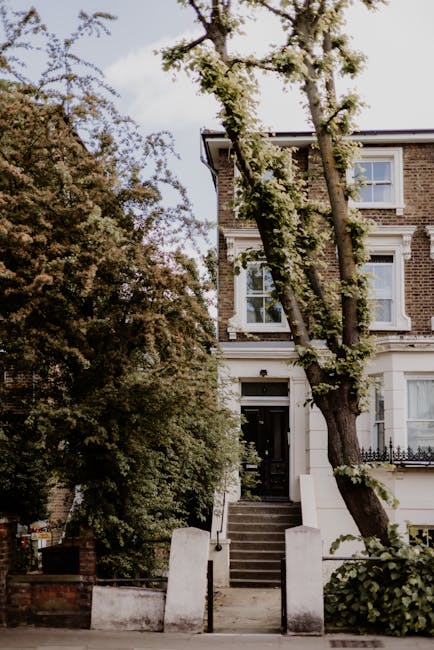
Camberwell Grove stair access removals tips for flat moves
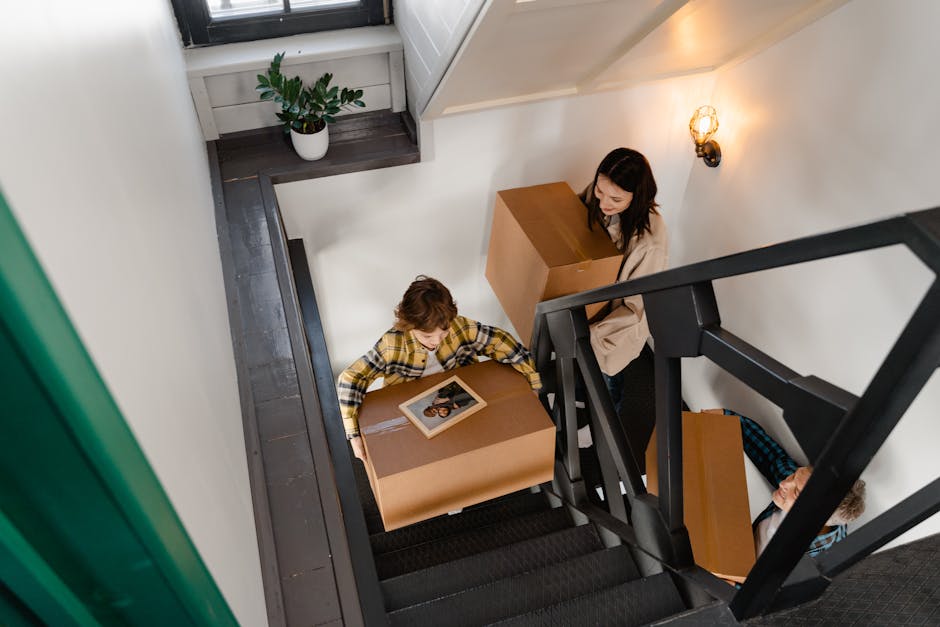
If you are planning a flat move around Camberwell Grove, stair access can be the bit that turns a fairly ordinary moving day into a bit of a slog. Narrow turns, awkward landings, shared hallways, and older buildings can all make a simple carry feel heavier than it should. The good news? With the right Camberwell Grove stair access removals tips for flat moves, you can cut down on stress, protect your furniture, and keep the day moving at a decent pace.
Whether you are leaving a first-floor flat with a tight staircase or moving into a top-floor place with no lift, the trick is not brute force. It is preparation, timing, clear communication, and knowing where the pinch points are before the van even arrives. This guide walks through the practical side of stair access removals in plain English, with the sort of detail that saves time on moving day. Little things matter here. They really do.
Why Camberwell Grove stair access removals tips for flat moves Matters
Stair access changes almost everything about a flat move. A sofa that would be straightforward through a lift can suddenly become the main event if it needs to be turned on a narrow stairwell. A washing machine, mattress, bed frame, or wardrobe can all be manageable in theory and a bit awkward in practice. That is especially true in older Camberwell Grove properties where stair angles, hallway width, and corners may not have been designed with modern bulky furniture in mind.
Why does this matter so much? Because a moving day goes badly for most people in the same few ways: something gets stuck, someone gets tired too early, surfaces get scuffed, or the loading plan falls apart because the team underestimated the route. In a flat move, access is not a side issue. It is the plan.
In our experience, the best moves are the boring ones. Not boring in the dull sense. Boring because everything is measured, labelled, and ready. No drama at the front door. No surprise trip hazards. No one muttering that the wardrobe is "only slightly too wide" while standing on a landing that already feels too small. Truth be told, that kind of calm is what you want.
Expert summary: If stair access is tight, the move should be planned around the route rather than the items. Measure first, prep the path, protect the building, and move the largest items before the day gets tired.
How Camberwell Grove stair access removals tips for flat moves Works
Good stair access removals start before any lifting begins. The process usually works best in a few simple stages:
- Survey the access route. Check the staircase width, landing space, number of turns, ceiling height, and whether handrails or light fittings reduce clearance.
- Measure the furniture. A tape measure beats guesswork every time. Measure the tallest, widest, and deepest points, not just the "main" dimensions.
- Identify the awkward items. Sofas, beds, wardrobes, desks, mirrors, and appliances need extra planning because they are more likely to snag or tip.
- Choose the right loading approach. Some items are easier with two people and lifting straps, others need a dismantling plan, and a few may need a different vehicle or an overnight split.
- Prepare protection. Floor runners, blankets, corner guards, and door-frame protection reduce the chance of damage in shared hallways and stairwells.
- Sequence the move logically. Bring down or take up the hardest items first, while everyone is fresh and the stair route is clear.
That sequence sounds obvious on paper, but people skip steps all the time. Usually because they are busy. Fair enough. Moving is chaotic. Still, a five-minute check at the start can save half an hour later when a wardrobe refuses to make the corner turn.
For flat moves in and around Camberwell Grove, access planning also needs to factor in parking and loading distance. Even a perfect staircase becomes more demanding if the van is parked a long way away. That extra carry adds fatigue, and fatigue leads to mistakes. It is a basic point, but one people forget when they are juggling keys, boxes, and a phone that will not stop buzzing.
Key Benefits and Practical Advantages
Using a stair-aware moving plan brings real advantages. Not just comfort, but efficiency and safety too.
- Less risk of damage: Furniture, walls, banisters, and door frames are less likely to get knocked or scraped.
- Faster moving day: A prepared route means fewer pauses, fewer resets, and fewer "let's try it this way" moments.
- Less physical strain: Moving bulky items on stairs is tiring, especially in hot weather or after a long carry from the van.
- Better handling of shared spaces: In flats, hallways and stairwells are often shared. Careful planning keeps neighbours happier and the move more orderly.
- More accurate quote planning: When access details are clear, pricing and timing tend to be more realistic. That helps everyone.
- Fewer surprises: You notice access issues before moving day rather than halfway through the first load.
There is also a psychological benefit, if that is not too grand a word for moving house. When the access plan is solid, everything feels less frantic. You are not trying to solve problems while carrying a headboard down a staircase. That alone is worth a lot.
Who This Is For and When It Makes Sense
This kind of planning makes sense for anyone moving in or out of a flat with stair-only access, but it is especially useful for:
- tenants on upper floors with no lift
- owners moving bulky furniture in period conversions
- students shifting into shared flats with narrow internal stairs
- small families moving between apartments
- anyone with heavy items like wardrobes, beds, or appliances
- people in a rush who still need to move safely and neatly
It also makes sense if you are comparing moving options and trying to decide whether a full removals service, a man and van, or a simpler single-vehicle move is the better fit. Stair access can be the deciding factor. A move that looks small on paper may still need more hands if the access is fiddly.
If you are only moving a few items, or if your furniture is flat-pack and light, then the process is usually simpler. But if your sofa has seen a few birthdays and the staircase has a turn halfway up, you will want a plan. Probably a better plan than "we'll just see how it goes". That one can go a bit wobbly.
Step-by-Step Guidance
Here is a practical way to handle stair access removals for a flat move without overcomplicating it.
1. Walk the route before move day
Start with the obvious: measure the stairs, landings, doorways, and corners. Look out for low ceilings, railings that narrow the route, and anything fixed to the wall that could catch. If possible, take a quick video on your phone so you can review the awkward points later. A lot of access issues are easier to spot when you are not carrying anything.
2. Measure the largest items properly
Do not just measure the sofa from arm to arm and call it done. Measure the height at the tallest point, the depth including feet or protruding edges, and the diagonal if the item may need to turn. The same goes for mattresses and wardrobes. Sometimes the "obvious" dimension is not the one that matters on a stairwell.
3. Decide what should be dismantled
Bed frames, tables, shelving, and modular furniture are often easier to move in pieces. That can save a lot of effort and reduce the chance of damage. Keep fixings in labelled bags and tape them to the matching item. It sounds old-school, but it works. Very well, actually.
4. Protect the building first
Before moving the first box, protect floors, walls, banisters, and corners. In a shared block, even small scuffs can become a nuisance. Use blankets, felt pads, or proper protection where needed. If you are dealing with a landlord or managing agent, a tidy move-out helps avoid those awkward post-move conversations nobody enjoys.
5. Stage items in the right order
Put the awkward and heavy items near the exit first. Leave easy boxes for later. A good rule of thumb is to move the bulky, unstable, or high-value pieces while everyone is still fresh and alert. It is a bit like packing the car for a long trip. Get the difficult shapes sorted first.
6. Keep the stairwell clear
Stair access only works well if people are not blocking each other. Try to keep one route open. Bags, tools, and packing waste should be kept out of the way. If multiple people are helping, give them simple roles: one person guides, one lifts, one watches clearances. Too many voices in a staircase is not a recipe for calm.
7. Re-check at the last minute
Just before the move starts, do one final check for parking, keys, lift access if any, and any change in weather. Rain can make stair treads and pavements slippery, which is exactly the sort of thing that turns a normal move into a slow one. Annoyingly normal, too.
Expert Tips for Better Results
Once the basics are covered, a few smaller decisions can make a big difference. These are the things experienced movers tend to think about early.
- Use proper grips and lifting straps where suitable. They help with control, especially on awkward corners.
- Wrap fragile corners. Table edges, mirrors, and frames are especially vulnerable on stair turns.
- Remove loose parts before lifting. Shelves, handles, cushions, drawers, and detachable feet should come off where practical.
- Plan the landing turn in advance. The hardest part of stair access is often not the stairs themselves, but the change in direction at the landing.
- Keep a light but steady pace. Rushing causes more damage than slow, controlled movement ever does.
- Talk clearly. Short instructions beat long explanations when someone is already halfway down a stairwell with a chest of drawers.
One small but useful habit: keep a soft cloth or blanket close for surprise contact points. It is not glamorous. No one will brag about it later. But when a corner looks a bit tight, it is a lifesaver.
Another thing worth saying: not every item needs to be moved in the same way. A mattress and a bookcase may both be "large", but their behaviour on stairs is completely different. Treat them differently. That sounds obvious, but it saves mistakes.
Common Mistakes to Avoid
There are a few classic errors that show up again and again in flat moves with stair access. Avoiding them makes the whole day easier.
- Guessing the measurements. "It should fit" is not enough when the item has to turn on a narrow landing.
- Forgetting the route outside the building. A perfect staircase means little if the path from van to entrance is blocked, muddy, or too long.
- Leaving dismantling too late. Once the clock is ticking, there is a tendency to force things that should have been taken apart.
- Ignoring weight distribution. Some items seem manageable until one end becomes heavier mid-carry. Then it gets awkward very quickly.
- Not protecting shared areas. In flats, damage can create avoidable hassle with neighbours or building managers.
- Trying to do too much with too few people. A couple of strong boxes may be fine. A three-piece sofa and a long staircase? Different story.
To be fair, most of these mistakes come from time pressure rather than carelessness. Everyone wants to get the move done. But pushing through bad access without a pause is how little problems become expensive ones.
Tools, Resources and Recommendations
You do not need a van full of specialist kit, but a few items make stair moves much easier and safer.
| Tool or item | Why it helps | Best used for |
|---|---|---|
| Measuring tape | Checks doorways, landings, and furniture dimensions accurately | Planning and clearance checks |
| Removal blankets | Protects furniture and painted surfaces from knocks and scuffs | Sofas, tables, wardrobes, bannisters |
| Straps or webbing | Improves grip and control on heavier items | Bulky items on stairs |
| Floor protection | Helps keep carpets and hard floors clean and intact | Shared hallways and stairwells |
| Marker pens and labels | Makes it easier to identify parts, boxes, and fixings | Dismantled furniture and packed boxes |
| Gloves with grip | Improves handling and reduces slipping | General loading and carrying |
If you are still deciding what kind of move support you need, it can help to look at services that match the job rather than choosing the cheapest option straight away. For example, a flat move with awkward stair access may sit more comfortably alongside a dedicated flat removals service, while smaller, flexible jobs may be better handled through a man and van arrangement. The right fit depends on the access, the volume, and how much heavy lifting is involved.
For people who are trying to manage timing as well as access, it is also worth checking practical support pages like packing and boxes and packing and unpacking services. A well-packed item is simply easier to carry on stairs. No mystery there, just common sense.
Law, Compliance, Standards, or Best Practice
For a flat move in Camberwell Grove, compliance is mostly about safety, access, and being considerate in shared spaces. You do not need to drown yourself in rules, but there are a few common expectations worth keeping in mind.
First, movers and residents should take reasonable care to avoid damage to the building, neighbouring property, and communal areas. That usually means using proper handling methods, keeping exits clear, and not overloading yourself or others. In practical terms, if an item looks too heavy for the stairway setup, it probably is.
Second, if you are using a professional service, it is sensible to ask about insurance and safety arrangements. A reputable company should be able to explain how they manage lifting risks, protect property, and handle awkward access. You can read more in plain language on their insurance and safety page and health and safety policy. That sort of transparency is reassuring. It should be.
Third, parking and loading near Camberwell Grove may need extra thought depending on the building and local conditions. If your move involves a larger vehicle or tricky loading access, it is sensible to check the moving plan carefully and allow extra time. For nearby route and parking considerations, the guide on loading rules around Denmark Hill station may be helpful as a related reference point.
Best practice, in short, is simple: be prepared, be careful, and do not improvise your way through a staircase if the item is already telling you it would rather not go that way.
Options, Methods, or Comparison Table
Different flat moves need different approaches. Here is a simple comparison to help you choose the right one.
| Method | Best for | Pros | Trade-offs |
|---|---|---|---|
| DIY flat move | Small loads, light furniture, short distance | Lower cost, full control | More physical effort, higher risk on stairs |
| Man and van | Medium-sized moves, flexible support, awkward loading | Practical, adaptable, good for mixed items | May need you to pack and prepare more yourself |
| Full removals service | Larger flat moves, heavy furniture, tight stair access | More handling support, better for complex access | Usually higher cost |
| Partial support | When you need help with only the bulky items | Cost-effective and targeted | Requires you to coordinate the rest of the move |
If your route is especially tricky, a more structured service may be worth it. If you want a broader overview of vehicle and load options, the pages for removal van and moving truck can help you think through capacity and access. And if you have a full home move rather than a simple flat shift, the information on home moves and removals may be useful too.
Case Study or Real-World Example
A typical Camberwell Grove flat move might look like this. A couple were moving out of a second-floor flat with a narrow internal staircase and a tight landing turn. They had a sofa, a double bed, a bookcase, and the usual collection of boxes that somehow multiply overnight. Nothing unusual, really.
At first glance, they thought it would just take a bit of patience. But after measuring the sofa properly, they noticed the arm height was the real problem, not the width. The bed frame was fine once dismantled. The bookcase, though, needed careful rotation at the landing. Because they checked all this the day before, they could bring the right tools, remove a couple of awkward fittings, and make sure the stairwell was protected.
The move still took effort. It would have done. But it stayed controlled. No damage, no panic, no last-minute argument about whether the sofa should "just go sideways somehow". That is usually where people start getting inventive, and inventive is not always what you want on a staircase.
The lesson is simple: even a modest flat move can run much more smoothly if you treat stair access as the central issue from the start, not as something to figure out when the first heavy item arrives.
Practical Checklist
Use this checklist before moving day. It keeps things grounded.
- Measure every doorway, landing, and stair turn on the route
- Measure the tallest and widest points of bulky furniture
- Decide which items should be dismantled
- Label fixings, screws, and detachable parts
- Protect floors, walls, banisters, and corners
- Keep hallways and stairs clear of loose items
- Confirm parking and loading access near the property
- Check whether the move needs extra hands or a larger vehicle
- Pack fragile items so they are easy to grip and stable to carry
- Make sure keys, entry codes, and contact numbers are ready
- Allow extra time for stairs, especially in older buildings
- Review safety and insurance arrangements if you are using professionals
Quick takeaway: if you can answer the question "will this item comfortably fit, turn, and clear the route?" before moving day, you are already ahead of most people. That little bit of prep makes a big difference.
Conclusion
Camberwell Grove stair access removals tips for flat moves are really about one thing: removing uncertainty before it turns into a problem. Measure early, protect the building, choose the right help, and keep the route clear. That is the calm version of moving, and honestly, it is the version worth aiming for.
If you are weighing up support for a flat move, it helps to look beyond price alone and think about access, stair width, item size, and how much lifting you want to handle yourself. A move that feels carefully planned is usually a better move all round. Less strain, less damage, fewer surprises. That is the sweet spot.
Get a free quote today and see how much you can save.
And if you take one thing from all this, let it be simple: a measured move is a kinder move, for your furniture and for your nerves.
Frequently Asked Questions
What makes stair access such a big issue for flat moves?
Stairs add lifting effort, turning challenges, and a higher risk of knocks or scrapes. Even one awkward landing can slow the whole move down if the items were not measured properly first.
How do I know if my sofa will fit down the stairs?
Measure the sofa at its widest, tallest, and deepest points, then compare that with the stair width, landing space, and turning room. If the shape is awkward, factor in diagonal movement and any fixed obstacles like rails or light fittings.
Should I dismantle furniture before a move?
Usually, yes, if dismantling makes the item safer or easier to carry. Bed frames, tables, shelving, and modular pieces often move much better in parts. Just keep all fixings together and labelled.
Do I need special equipment for stair moves?
Not always, but straps, blankets, gloves, and floor protection can make a noticeable difference. For heavier or more awkward items, proper lifting aids and a capable team are worth having.
Is a man and van enough for a flat move with stairs?
It can be, especially for smaller moves or lighter items. If the access is tight, the furniture is bulky, or there are several heavy pieces, a more supported removals option may be more practical.
How can I protect shared hallways and stairwells?
Use blankets or other protection on contact points, keep the route clear, avoid dragging items, and move at a steady pace. It also helps to let neighbours know if the move may briefly affect the communal space.
What should I measure before moving day?
Measure the main furniture items, internal doors, stair width, landings, ceiling height where relevant, and the path from the van to the entrance. The full route matters, not just the staircase itself.
How much extra time should I allow for stair access?
There is no single rule, because it depends on item size, stair shape, and how much has been dismantled. As a general planning habit, give yourself more time than you think you need. Stairs are rarely as quick as the optimistic version in your head.
What are the most common mistakes people make?
The biggest ones are guessing measurements, leaving dismantling too late, underestimating weight, and forgetting to protect the building. Another common one is trying to do too much too quickly.
How do I know whether my move needs professional help?
If you have heavy furniture, narrow stairs, awkward landings, or a lot of items to carry, professional help can reduce risk and stress. It is especially useful when the access route is tight enough that a mistake could damage property or cause injury.
Can I use storage if my flat move is split over more than one day?
Yes, that can be a sensible option if access, timing, or keys create a gap between moving out and moving in. Storage can take the pressure off and let you move the more difficult items at a better time.
Where can I find more help with planning a flat move in Camberwell?
You can look at related information on flat removals, packing support, pricing, and service pages to match the move to your needs. A bit of planning up front usually saves a lot of hassle later.