Camberwell Church Street flat move case study man and van success
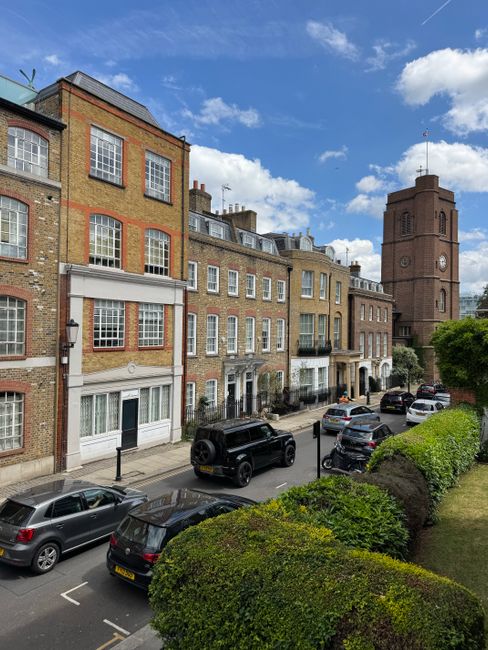
If you are planning a flat move around Camberwell Church Street, you probably want the same three things everyone else wants: a calm day, no damaged furniture, and a move that does not swallow the whole week. That is exactly where a focused Camberwell Church Street flat move case study man and van success story becomes useful. It shows how a compact, well-planned move can work smoothly in a busy London setting, especially when access is tight, timing matters, and every box seems to arrive all at once.
In this article, we will break down what made the move work, why a man and van setup is often the right fit for a flat in this part of Camberwell, and what you can copy for your own move. You will also find practical steps, common mistakes, a simple checklist, and a realistic view of the standards that matter. No fluff. Just the useful bits, laid out properly.
Why Camberwell Church Street flat move case study man and van success Matters
Flat moves in and around Camberwell Church Street are rarely "just a quick lift and shift". You are often dealing with stairs, narrow hallways, parked cars, awkward loading space, and neighbours who will definitely notice if the move turns into a noisy all-day drama. A good case study helps because it shows the move in context, not as a generic removal story.
That matters for two reasons. First, it helps you see what successful planning looks like in a real London flat move. Second, it gives you a way to judge whether a man and van service is the right match for your place, your budget, and your time window. To be fair, a lot of moving advice sounds fine until you try to fit a sofa around a staircase landing.
For many flat residents, the goal is not a huge removals operation. It is a controlled, practical move with the right vehicle size, enough lifting support, and a route that does not waste time. That is where a service like man and van can make a real difference, especially when paired with sensible preparation.
Expert summary: A successful flat move on Camberwell Church Street usually comes down to planning access, reducing load size, and choosing the right level of help rather than the biggest possible vehicle.
How Camberwell Church Street flat move case study man and van success Works
At its core, the model is straightforward. You match the size of the move to the vehicle and crew. A man and van setup is usually best for smaller home moves, one- or two-bedroom flats, partial moves, student relocations, or moves where parking and access make larger lorries awkward. The win is flexibility. You are not paying for capacity you do not need.
In practice, the process usually looks like this: a quick inventory, a discussion of access, a decision on timing, and a loading plan that respects both the building and the items being moved. If there is fragile furniture, bulky wardrobes, or a tricky hallway corner, the move needs a little more thinking. Not a lot. Just enough to avoid avoidable headaches.
A local flat move also benefits from a realistic route plan. In a busy part of London, the person doing the lifting is not just moving boxes; they are also working around traffic, parking restrictions, and the ebb and flow of the street. That is why experienced teams often recommend checking the access details early and confirming what is going into the van before the day arrives. If storage is needed between handover and move-in, a service such as storage may also help bridge the gap.
The most successful moves are usually the boring ones. Which sounds unexciting, sure, but it is exactly what you want on moving day.
Key Benefits and Practical Advantages
A man and van arrangement for a flat move on or near Camberwell Church Street can be a very sensible choice. The benefits are not abstract. They show up in time saved, stress reduced, and fewer heavy-lift mistakes.
- Better fit for smaller loads: Ideal when you are moving boxes, bags, a bed frame, a few pieces of furniture, and the usual awkward household bits.
- More flexible booking: Smaller jobs can often be arranged more easily than full-scale removals.
- Lower complexity: You are not coordinating an oversized vehicle for a modest flat move.
- Helpful for awkward access: If the building has narrow stairwells or limited outside space, a compact vehicle can be simpler to manage.
- Quicker loading and unloading: When the team and vehicle match the job, the whole process tends to feel smoother.
- Good for mixed needs: You can combine transport with support from packing and boxes or extra help for fragile items.
There is also a practical cost advantage. A better-matched service usually means you are only paying for what you need, which is the sensible way to approach a local flat move. If you want a clearer idea of how pricing is structured, it is worth reviewing pricing and quotes before you book anything. Simple, but useful.
And yes, the right service can save your back. That sounds a bit flippant, but anyone who has tried to carry a wardrobe down one too many stairs will know exactly what I mean.
Who This Is For and When It Makes Sense
This kind of move makes sense for people who are not relocating an entire house, but still need reliable support. That might be a first-time renter, a long-term tenant moving to another flat, a couple downsizing, or someone combining a move with a furniture pick-up. It also works well for students, especially when the load is light but timing is tight.
It is usually a strong fit if you:
- live in a flat with limited access or awkward staircases
- do not have enough items to justify a large moving truck
- need help with lifting but not a full packing team
- want a same-day or near-term move
- need a local move across Camberwell or nearby parts of south London
- are moving only a few key items and boxes
It may be less suitable if you are moving a very large household, multiple heavy appliances, or an office stockroom's worth of equipment. In that case, broader removal services or a larger vehicle could be more appropriate. The trick is not to overbuy the solution. That happens a lot.
For students, there is often a sweet spot between affordability and convenience, which is why student removals can be worth considering when the move is small but time-sensitive.
Step-by-Step Guidance
A calm move rarely happens by accident. It is usually the result of a few sensible actions taken in the right order. Here is the simple version.
- List everything you are moving. Not vaguely. Properly. Boxes, furniture, fragile items, anything bulky, and anything that needs dismantling.
- Check access at both ends. Stairs, lifts, parking, loading space, entry codes, and whether the van can stop close enough.
- Separate essentials from non-essentials. Keep documents, chargers, medication, and valuables with you.
- Choose the right support level. If you need lifting help, a man with a van style service can be a practical middle ground.
- Protect fragile items early. Wrap glass, use strong boxes, and avoid overfilling them.
- Confirm timing and payment details. Sort the admin before the day starts. It saves awkwardness later.
- Load in a sensible order. Heavy and sturdy items go in first; fragile and loose items are secured after.
- Do a final sweep. Check cupboards, window ledges, under beds, and behind doors. You will always find one random thing you forgot. Always.
If you are moving a flat rather than a full house, the difference between a smooth day and a frazzled one is often preparation. A good local team will still help, of course, but the best results happen when the move is already half organised before they arrive. That is not perfectionism. Just common sense.
Expert Tips for Better Results
These are the details that tend to separate a decent move from a genuinely smooth one. They are not glamorous, but they matter.
- Book with a realistic inventory. Underestimating the amount of stuff is one of the easiest ways to create delay.
- Use uniform box sizes where possible. They stack better and reduce the risk of toppling in the van.
- Label boxes by room and priority. A simple "kitchen - fragile" label beats guessing later.
- Keep hallway space clear. On moving day, every spare square foot helps.
- Plan for weather. London rain has a habit of arriving uninvited. A few extra covers can save a lot of hassle.
- Measure larger items. If a sofa only just fits on paper, it may not fit in reality. A tape measure is a quiet hero.
For moves that involve dismantled furniture or lots of boxes, packing and unpacking services can make the whole process far less tiring. Some people think packing is the easy part. Then they reach box nineteen and start reassessing their life choices. Fair enough, really.
Another useful habit is to keep a small "first night" bag ready. Kettle, mug, phone charger, basic toiletries, bedding, a change of clothes. Nothing fancy. Just the practical things that make a new place feel liveable quickly.
Common Mistakes to Avoid
The same issues crop up again and again with flat moves. If you sidestep these, you have already improved your odds.
- Leaving packing until the night before. It always looks fine until suddenly it is not.
- Ignoring building access rules. Some blocks have move-in windows, lift booking rules, or loading restrictions.
- Choosing a vehicle that is too big or too small. Too big wastes space and may be awkward to park; too small means extra trips.
- Forgetting insurance considerations. You should always understand what cover is in place for goods in transit and handling. More on that below.
- Overloading boxes. Heavy books in a giant box may sound efficient. It is not. Your arms will complain.
- Not measuring access points. Door frames and stair turns have a way of shrinking when faced with a wardrobe.
If you are getting rid of old furniture at the same time, look at furniture removals or a related furniture pick up option, rather than leaving extra items to clutter the new flat. Cleaning up the old load before move day can make a surprising difference.
Truth be told, most moving problems are not dramatic disasters. They are small things that piled up because nobody handled them early enough.
Tools, Resources and Recommendations
You do not need a warehouse of equipment to move a flat well. A few reliable basics are enough.
- Strong boxes: Use good-quality boxes that will not collapse halfway up the stairs.
- Packing tape: The proper sort, not the brittle roll that gives up immediately.
- Protective wrap: Helpful for glassware, lamps, mirrors, and awkward corners.
- Markers and labels: Keep them easy to hand so boxes are marked as you go.
- Furniture blankets or covers: Useful for protecting scratch-prone items in the van.
- Basic toolkit: A screwdriver, Allen keys, and a small bag for screws can save time later.
If you need a bigger move or are shifting bulkier household items, it may be worth looking at house removals or home moves for a more comprehensive approach. On the other hand, a compact flat move often pairs best with a lean setup and a clear inventory.
For certain moves, removal van options can be especially practical where parking is limited and the load is moderate. That said, the right choice always depends on your actual items, not just the postcode.
Law, Compliance, Standards, or Best Practice
Any moving service handling your belongings should take safety, insurance, and care seriously. In the UK, that means working in a way that is consistent with good transport and handling practice, keeping vehicles roadworthy, and treating your goods responsibly from collection to delivery. You do not need legal jargon to understand this. You just need to know the basics are being respected.
Good practice usually includes:
- clear communication about what is being moved
- reasonable handling methods for fragile or bulky items
- appropriate loading so items do not shift in transit
- insurance awareness for goods in transit and public-facing work
- attention to health and safety during lifting and loading
It is sensible to review a company's insurance and safety information and understand its health and safety policy. That is not being difficult. It is just prudent. If something feels vague, ask questions before the move, not after. Much better to be a little picky than sorry later.
Payment terms and booking details should also be clear, especially where deposits, cancellations, or timing changes might arise. That is why checking payment and security and the terms and conditions can be a sensible part of your planning.
Options, Methods, or Comparison Table
Not every flat move needs the same setup. The table below gives a practical comparison so you can judge what fits best.
| Option | Best for | Strengths | Limitations |
|---|---|---|---|
| Man and van | Small to medium flat moves | Flexible, efficient, easier for tight access | Not ideal for very large household moves |
| Removal van | Moderate loads with simple logistics | Good balance of space and convenience | May still need careful packing for fragile items |
| Full removals team | Larger homes or more complex moves | More support, bigger capacity, broader service scope | Can be more than you need for a small flat |
| Self-move | Very small loads and very tight budgets | Lowest direct labour cost | High physical effort and higher risk of mistakes |
For some people, the right answer is still a fuller moving setup, especially if there is a lot of furniture or difficult access. In that case, looking at removals or even removal companies can help you compare the level of support needed.
Case Study or Real-World Example
Here is a realistic example drawn from the kind of flat move that tends to work well with a man and van approach.
A tenant in a top-floor flat near Camberwell Church Street needed to move a modest load: a bed frame, mattress, small sofa, desk, several boxes, kitchen items, and two fragile mirrors. The building had a narrow stairwell and limited stopping space outside. A large vehicle would have been awkward, and a self-move would have meant several tiring trips and a lot of risk around the stairs.
The move worked because the basics were handled properly. Boxes were labelled by room. The furniture was measured in advance. Fragile items were wrapped and separated. The loading order was planned so the heaviest items went in first. The access point was checked before arrival, and the person arranging the move kept the essentials bag to one side. Small detail, big difference.
What made it a success was not luck. It was matching the job to the method. A compact team, a sensible vehicle, and a clear inventory meant the day stayed manageable. No frantic shuffling, no half-loaded confusion, no mystery about where the kettle had gone.
That is the real lesson here: for a flat move, success is usually built in before the van arrives. The move itself is just the final part.
Practical Checklist
Use this checklist in the days before the move. It is simple, but it catches the things people forget when they are busy.
- Inventory completed for all items
- Boxes packed and labelled by room
- Fragile items wrapped separately
- Furniture measured against access points
- Lift, parking, or loading arrangements checked
- Keys, codes, and entry details confirmed
- Essentials bag packed and kept aside
- Old furniture disposal or furniture pick-up arranged if needed
- Insurance and safety details reviewed
- Payment, timing, and terms understood
- Paths cleared in the old and new flat
- Final cupboard, drawer, and shelf check completed
If you are also moving office items, business stock, or archived materials as part of a broader relocation, it may be worth considering commercial moves or office removals instead. Different jobs need different handling, and mixing them up is where people get into trouble.
Get a free quote today and see how much you can save.
Conclusion
The main takeaway from this Camberwell Church Street flat move case study man and van success approach is simple: the right size service, good preparation, and a realistic view of access can turn a stressful flat move into a manageable one. You do not need a complicated plan. You need a practical one.
Whether you are moving a small flat, a student room, or a carefully packed mix of furniture and boxes, the same principle applies. Know what you are moving, understand the access, choose the right support, and keep the important details clear. That is what makes the day run better.
And if the move feels a bit overwhelming at first, that is normal. Most people feel that way. The good news is that a local, well-planned man and van move can take a lot of the weight off, literally and mentally. One steady step at a time.
Frequently Asked Questions
What makes a man and van service a good fit for a Camberwell Church Street flat move?
It works well when the load is moderate, access is tight, and you want a flexible solution without booking a larger removals setup than you need. Flat moves often suit this model because the vehicle and support can be matched closely to the job.
How far in advance should I book a flat move?
As early as you reasonably can, especially if you want a preferred time slot. That said, smaller local moves can sometimes be arranged at short notice if availability allows. If the move is urgent, a same-day option may be worth checking.
Can I use this setup for a student move as well?
Yes, absolutely. A student move is often one of the clearest use cases, especially if you are moving boxes, a few pieces of furniture, or personal items between flats or halls.
What should I pack myself before the movers arrive?
Pack clothing, books, kitchenware, soft furnishings, personal documents, and anything small or fragile that can be boxed safely. Keep valuables, chargers, medication, and essentials with you.
Is a removal van better than a man and van service?
It depends on the size and shape of the move. A removal van can be a good fit for moderate loads, while a man and van setup may offer the same practical transport with a more flexible service style. The best choice depends on your actual items and access conditions.
What if my flat has no easy parking outside?
That is common in London and it does not automatically stop a move, but it does need planning. Mention access details early so the loading plan can be adjusted. A compact setup is often easier in streets where parking is limited.
Should I book packing help too?
If you are short on time, dislike packing, or have fragile items, packing support can be a very sensible extra. It often reduces stress and lowers the risk of damage, especially when the move has a lot of glassware or mixed contents.
What happens if I need to store items between moves?
Short-term storage can bridge the gap if your move-out and move-in dates do not line up. It is especially useful if you are waiting for keys, clearing a room in stages, or managing a delayed handover.
How do I make sure my belongings are handled safely?
Ask about insurance, loading methods, and handling expectations before booking. It is also sensible to review the company's safety information and make sure your fragile items are packed properly before collection.
What is the biggest mistake people make with flat moves?
Underestimating the job. People often think a small flat means a simple move, then discover stairs, awkward furniture, and too many loose items. A clear inventory and realistic timing solve a lot of that.
Can I combine furniture disposal with the move?
Yes, and it is often a smart idea. If you are not taking an item to the new place, arrange a furniture pick up or furniture removals approach so the unwanted bits do not slow down moving day.
Where should I start if I want a quote?
Start with a list of what you need moved, note any access issues, and decide whether you also need packing, storage, or furniture help. Then compare the move against the service level you actually need. That gives you a far better quote request and, usually, a better moving day too.